The Quiet Humanity of Quantum Leap
When Television Believed in People.
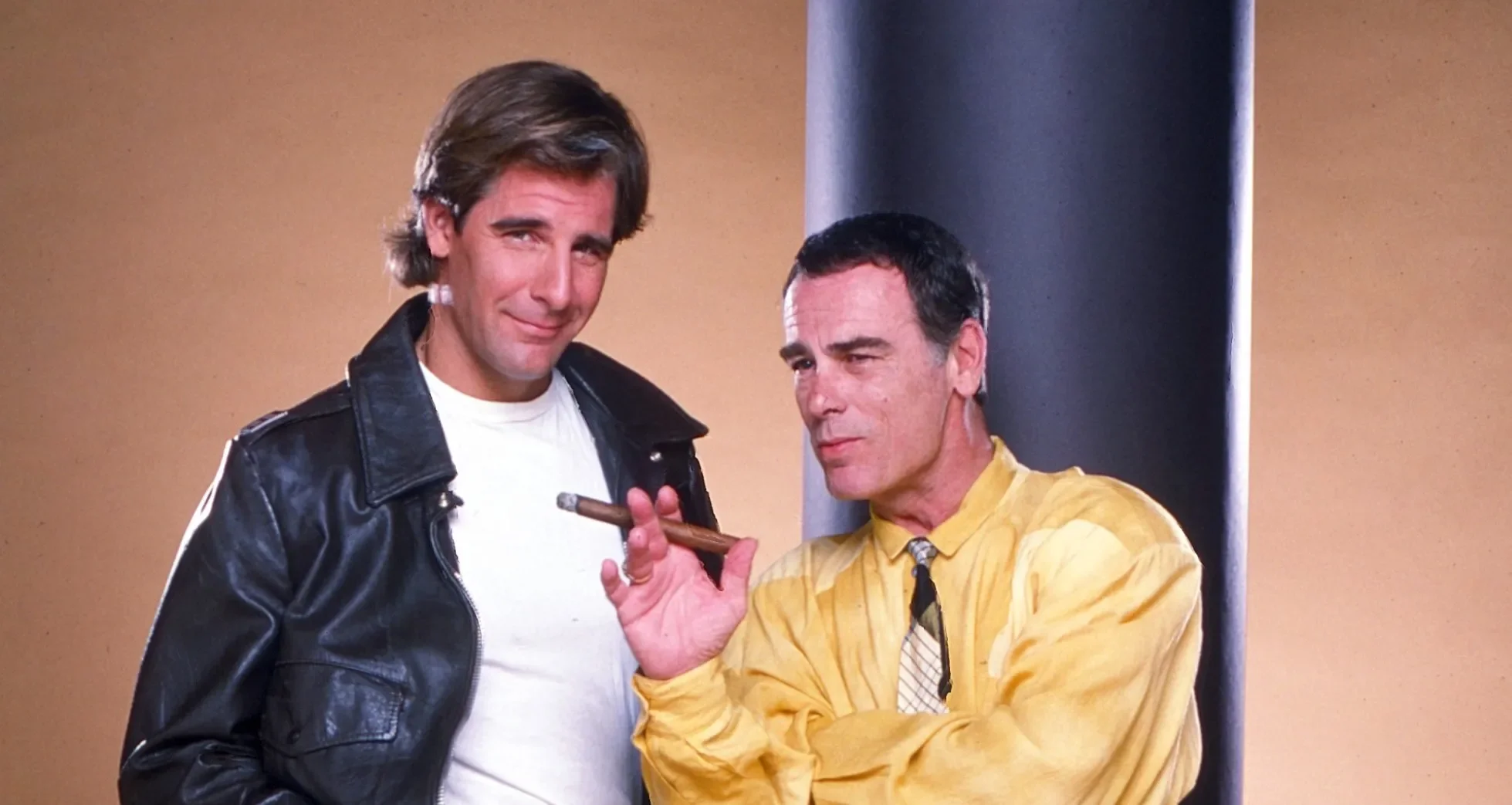
Scott Bakula and Dean Stockwell as Sam Beckett and Al Calavicci in Quantum Leap (1989-1993)
There is a particular kind of sadness reserved for old television.
Not sadness because it has aged badly, but sadness because it reminds you of emotional qualities modern television no longer seems interested in preserving. Patience. Sincerity. Gentleness. Moral clarity without cynicism. Rewatching Quantum Leap, I realise the series is not simply science fiction. In many ways, it is one of the last great humanist television shows America produced before irony fully consumed popular culture. That may sound dramatic for a network television series about time travel, holograms and a physicist leaping through history correcting mistakes.
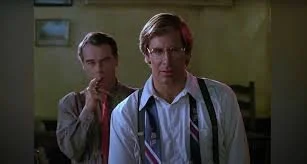
Yet beneath its eccentric premise lies something astonishingly earnest: a profound belief in ordinary people. That belief feels almost radical now.
The genius of Quantum Leap was never the science fiction. The leaps themselves were merely the mechanism. What mattered was what Dr Sam Beckett encountered once he arrived. Lonely widows. Veterans carrying invisible trauma.
Women trapped in abusive relationships. Black families navigating segregation-era America. Teenagers terrified of disappointing their parents. Men quietly collapsing under the emotional weight of masculinity. The show understood something many contemporary prestige dramas seem to forget: ordinary lives are already dramatic enough.
Sam Beckett enters these lives not as a saviour exactly, but as witness. That distinction matters. He listens more than he speaks. Observes more than he dominates. Even when changing history, he remains strangely humble inside other people’s pain. Scott Bakula played Sam with a sincerity that would probably be considered unfashionable now. There is no cynicism to him. No self-awareness. No smugness. He is intelligent, compassionate, capable and deeply lonely. Perhaps that loneliness is what allows him to recognise it so easily in others.
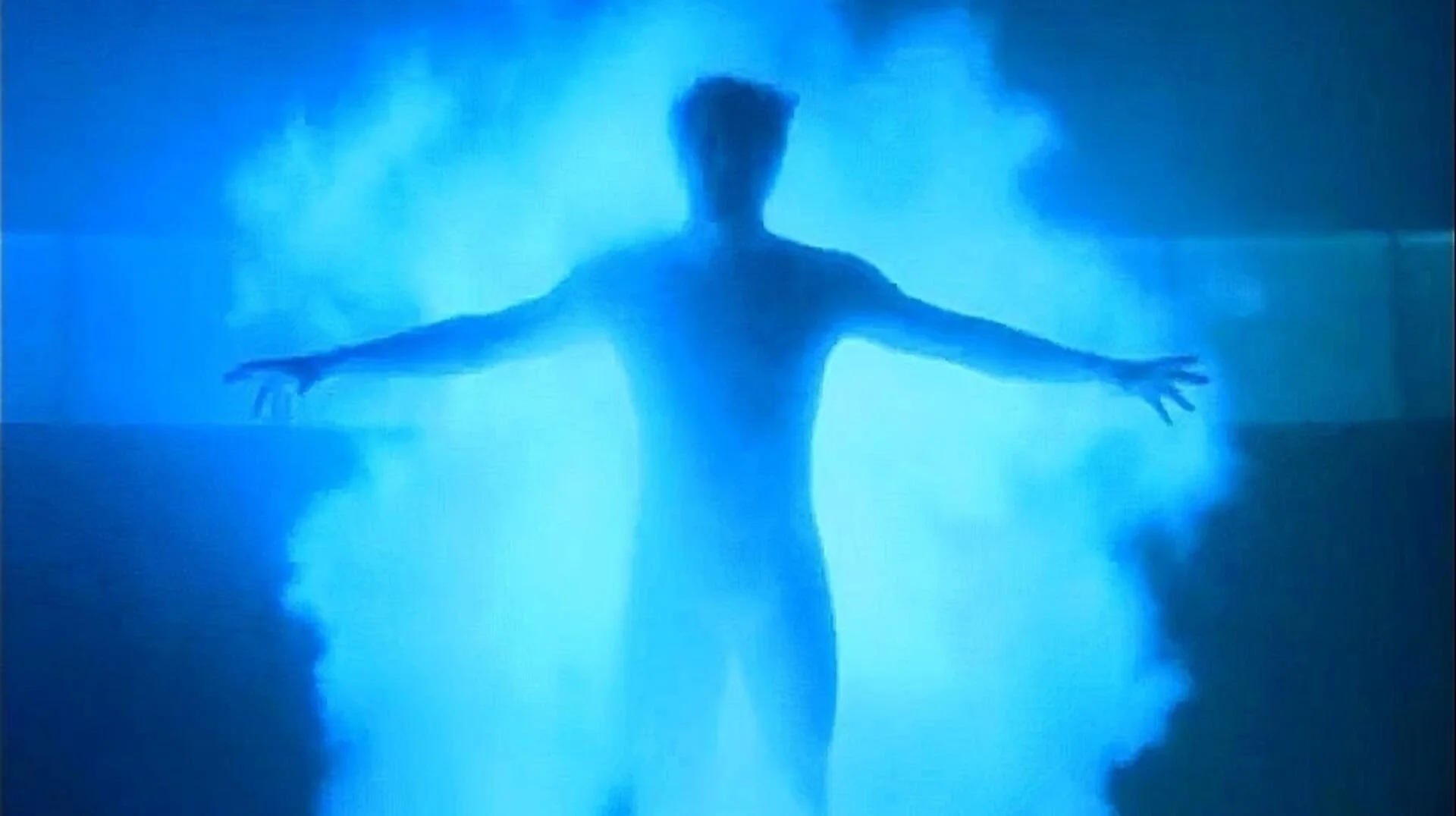
Looking back now, I think that emotional loneliness is partly why the series still resonates so powerfully. Sam is constantly surrounded by people yet fundamentally displaced from human intimacy. He moves through countless lives but can never fully belong to any of them. Every connection becomes temporary. Every relationship unfinished. Every leap another act of emotional exile.
For all its warmth, Quantum Leap is quietly heartbreaking television. It is also deeply American in a way that feels increasingly distant now. Not politically American. Spiritually American. Diners. Dust roads. Small towns. Working-class families. Jazz bars. Churches. Military bases. The series drifts through the emotional geography of twentieth-century America with extraordinary tenderness.
Watching it now feels almost like looking through a family photo album for a country that no longer entirely exists. That nostalgia, however, is not what makes the series endure. Plenty of nostalgic television feels dead upon revisiting it. Quantum Leap survives because its emotional questions remain painfully relevant:
Can people change?
What do we owe one another?
Is compassion enough?
Can service become a form of identity?
What happens to people who spend their lives helping others while quietly losing themselves?
That final question sits at the centre of the show. Beneath the episodic structure and network television optimism lies something almost existential. Sam Beckett sacrifices permanence repeatedly for strangers who will often never fully know what he gave up for them. The series frames this sacrifice not heroically, but mournfully. In another era, Sam Beckett might have been written as a cowboy wandering the frontier or a weary detective drifting from town to town. There is something spiritually old-fashioned about him. He belongs to a lineage of male protagonists defined less by dominance than service.
I suspect that is partly why Sam Beckett has stayed with me for so many years, long after other television heroes faded. The older I get, the more I realise I am consistently drawn towards protagonists shaped by duty, loneliness and service rather than power itself. Men carrying responsibility quietly. Men drifting through changing worlds trying, however imperfectly, to leave things better than they found them.
It is there in James Bond too. Beneath the elegance and violence. Bond is often remembered for style, seduction and spectacle, but what always interested me was the sadness underneath him. A man consumed by service. Constantly moving. Rarely belonging anywhere. Intimacy sacrificed repeatedly for obligation. Even at his most sophisticated, Bond remains emotionally transient, almost ghostlike. The same spiritual thread runs through many of the films I find myself returning to repeatedly. Sylvester Stallone’s ‘Rocky’ also. A lot of people misunderstand Rocky as a fantasy of triumph when the character is actually built around perseverance, faith, humility, service and emotional vulnerability.
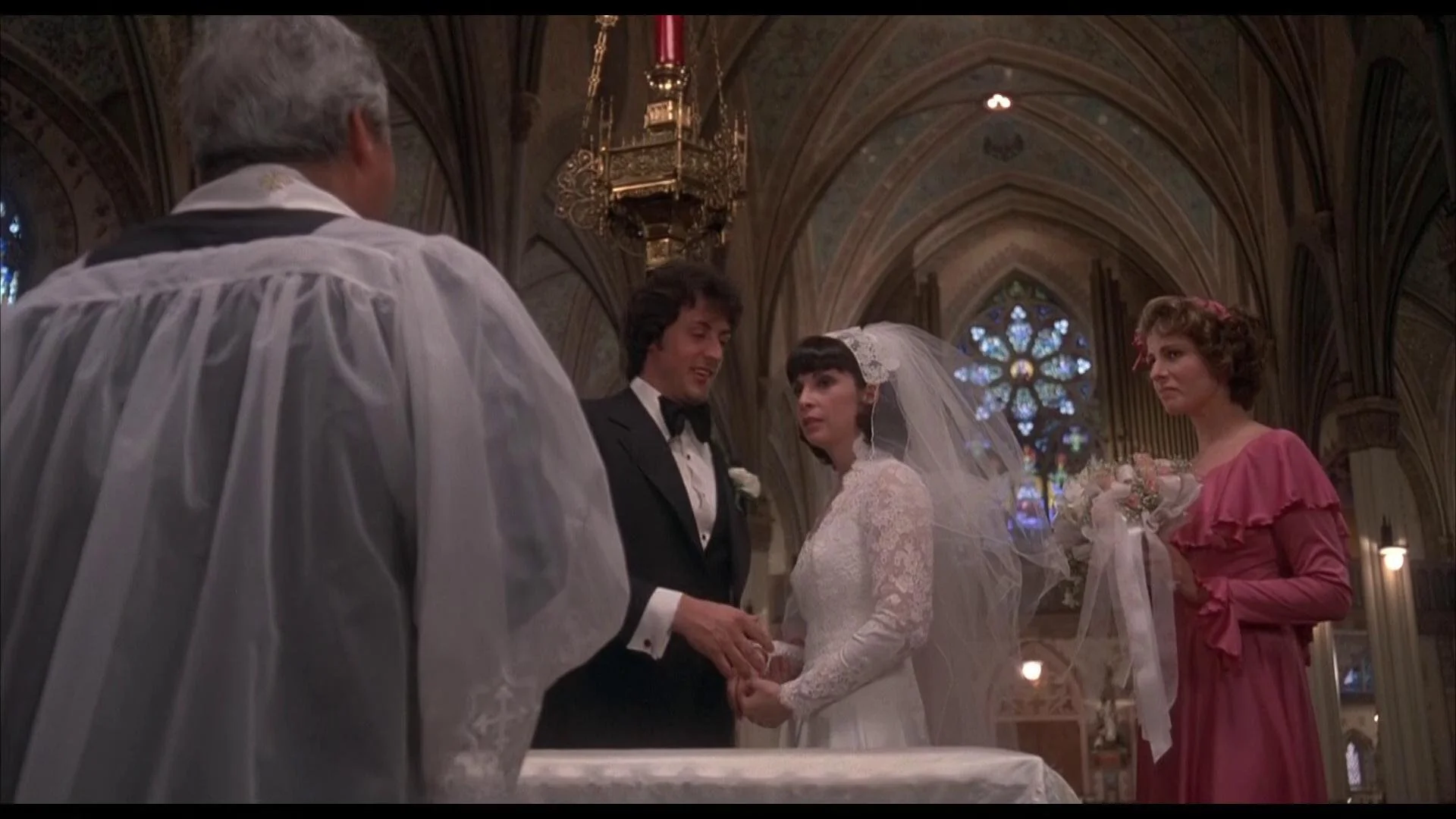
Beneath the boxing mythology, Rocky is fundamentally about a man trying to maintain dignity in a world constantly threatening to strip it from him.
Train Dreams. There Will Be Blood. Stories about men wrestling with ambition, isolation, morality, faith, memory and the cost of becoming who the world demands they become. Very different characters, certainly, yet all haunted in some way by the same underlying question: what does a man owe the world, and what does that debt eventually cost him? Sam Beckett answers that question more gently than most. He does not conquer worlds. He moves quietly through them. Helping strangers. Absorbing pain. Carrying emotional burdens that nobody else fully sees. Watching Quantum Leap now, I think what moves me most is not the science fiction at all, but the profound humanity beneath it. The belief that compassion itself still possesses moral weight.
That is perhaps why the relationship between Sam and Al Calavicci remains the emotional core of the series. Modern television rarely allows male friendship to feel this tender without immediately undercutting it through irony. Sam and Al genuinely love one another. Not sentimentally. Not performatively. They carry one another emotionally. Al, with all his swagger and chaos, understands Sam’s loneliness instinctively because he carries his own.
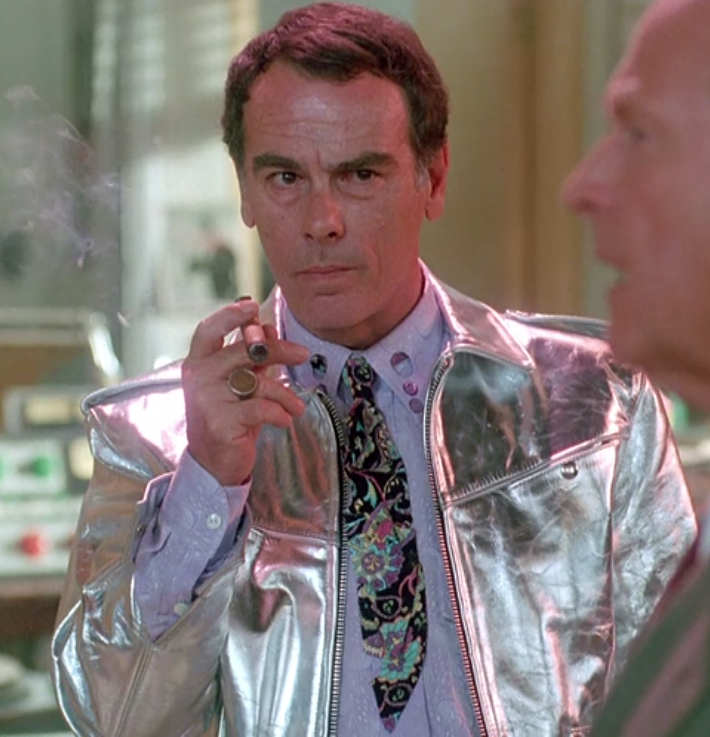
Dean Stockwell gave Al a kind of exhausted humanity beneath the flamboyance. The jokes, cigars and colourful suits disguise a deeply wounded man. Together, Sam and Al become something rare on television: two men attempting to navigate emotional vulnerability without losing dignity.
That emotional sincerity is precisely what the recent reboot misunderstood.
The new Quantum Leap was not necessarily bad television. In some respects, it was thoughtful and well intentioned. But it suffered from a problem affecting much of contemporary storytelling: it confused complexity with emotional depth. Everything became faster. More procedural. More mythology-heavy. More interested in explaining itself. The original Quantum Leap trusted silence and ambiguity. It allowed moments to breathe. It understood that audiences could sit inside melancholy without immediately needing resolution.
Modern television often seems terrified of stillness. The original series believed viewers possessed patience and empathy. It trusted people emotionally. That trust now feels almost revolutionary. When I rewatched the series in adulthood, I find myself responding to it differently than I did as a child. Back then, I admired the adventure. The melancholy barely registered consciously. Now it feels inseparable from the show itself. I think Quantum Leap understands that life is largely composed of temporary encounters. Brief moments where people enter one another’s lives unexpectedly, alter them quietly and disappear again. There is something profoundly humane about that idea.
Especially now, in a culture increasingly built around performance, branding and spectacle. Quantum Leap belongs to an older emotional tradition. One where compassion mattered more than cleverness. Where sincerity was not treated as weakness. Where television still believed ordinary people possessed inner lives worthy of serious attention. Is that why the series lingers?
Not because of nostalgia, but because it reminds us of something modern culture increasingly struggles to offer: the possibility that kindness, decency and emotional honesty still matter. Even if nobody remembers the sacrifice afterwards.
Even if you never quite make it home?