The Quiet Dignity of Black Photography: Seeing Black Life Honestly
Before we became content, we were photographs.
Not brands or algorithms. Not carefully curated performances designed for strangers scrolling at speed. Photographs and honest ones. The kind Gordon Parks took in Harlem. The kind Vanley Burke took in Birmingham. Images concerned not with spectacle, but dignity.
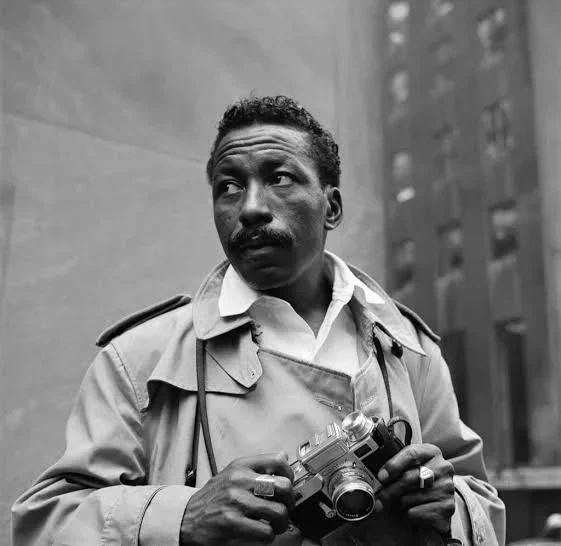
Looking at their work now, what strikes me most is not simply what they captured, but how deeply they respected the people standing in front of the lens. You feel it immediately in Parks’ photography. In the way he framed ordinary Black Americans during segregation, not as symbols of suffering, but as complete human beings. There is pain in his work, certainly. Anger too.
But there is also elegance. Humour. Silence. Thoughtfulness. Intimacy. People are not reduced to politics or victimhood. They remain people. That sounds obvious. Particularly now. We live in an age where images move so quickly they barely have time to become memories.
Everybody is visible, yet very few people are actually seen. Photography increasingly feels less like witnessing and more like performance. Images arrive already anticipating reaction. Designed for engagement before observation. We curate ourselves endlessly, mistaking visibility for understanding. The tragedy is not simply that photography has become commercialised. Photography has always had commerce attached to it. The tragedy is that so many images no longer feel human. That is why Parks still feels radical. The same is true of Vanley Burke.
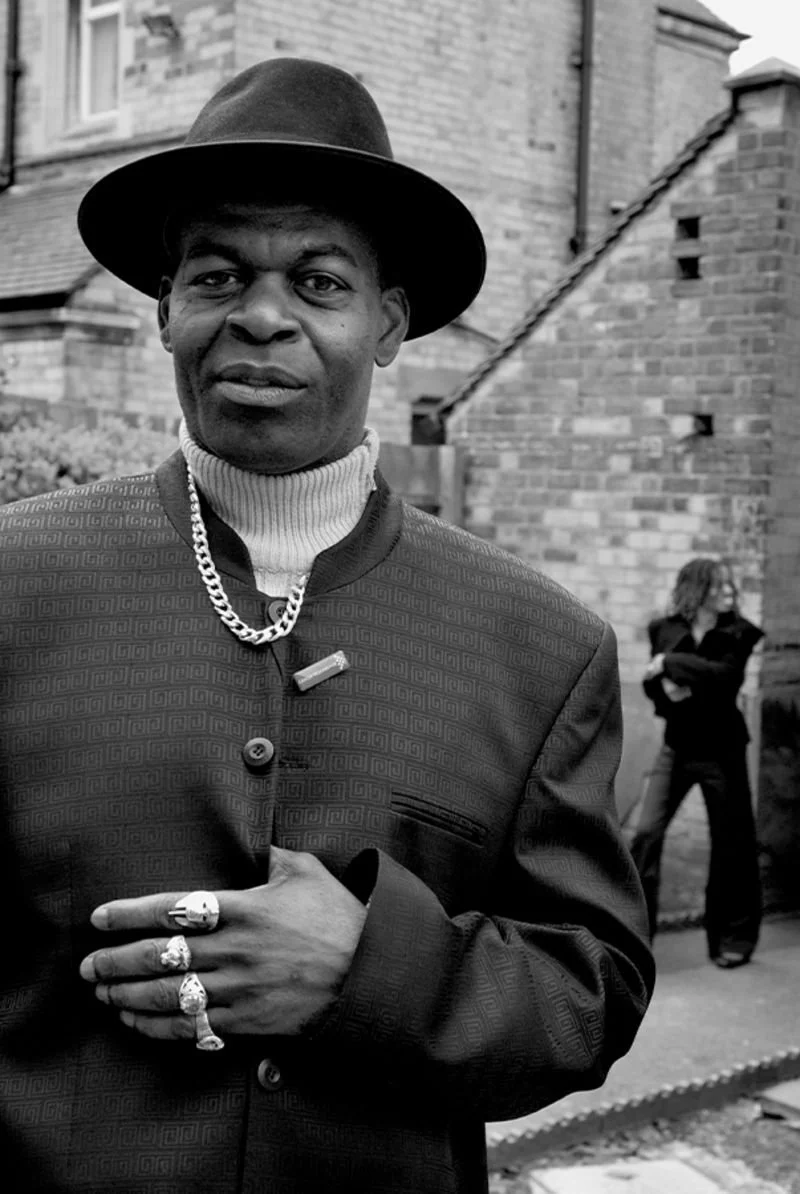
Burke’s photographs of Black British life carry the same emotional honesty. Families in living rooms. Children playing in Birmingham streets. Couples dancing. Churches. Barbershops. Political marches. Weddings. Carnival. Small moments most institutions once deemed too ordinary to preserve.
Yet Burke understands something essential: ordinary Black life was historically undocumented precisely because society did not consider it valuable enough to remember. So he remembered it himself, quietly. Burke’s photographs refuse performance in a way that feels almost revolutionary now. Nobody appears to be selling themselves to the camera. Nobody is flattened into an aesthetic. The images breathe. They feel lived in. Time passes through them naturally. Looking at his work, I keep thinking about my own growing relationship with photography and how easy it is to become obsessed with “good images” instead of truthful ones. Perfect framing. Perfect colour grading. Perfect mood. Images polished into emotional sterility.
Parks and Burke remind me that the best photographs are alive and that distinction matters, because there is a difference between documenting Black life and consuming it. Modern media often collapses Black identity into spectacle. Trauma becomes content. Outrage becomes currency. Suffering becomes aesthetic language. Even authenticity itself can begin to feel strangely performative online, thanks to algorithms rewarding emotional exaggeration over emotional truth. Parks resisted that instinct completely. His camera did not exploit people. It dignified them.
Even his most famous social documentary work carries restraint. You can feel his understanding that photography is not merely about exposure. It is about responsibility. The people in his photographs are not there for consumption. They retain interiority. Privacy. Mystery. That humanity carried directly into his filmmaking too. People often speak about Shaft purely through style. The leather coats. The music. The coolness. The swagger. Yet revisiting the film now through the lens of Parks’ photography, something deeper emerges beneath the iconography. John Shaft is shot with dignity, not simply masculinity.
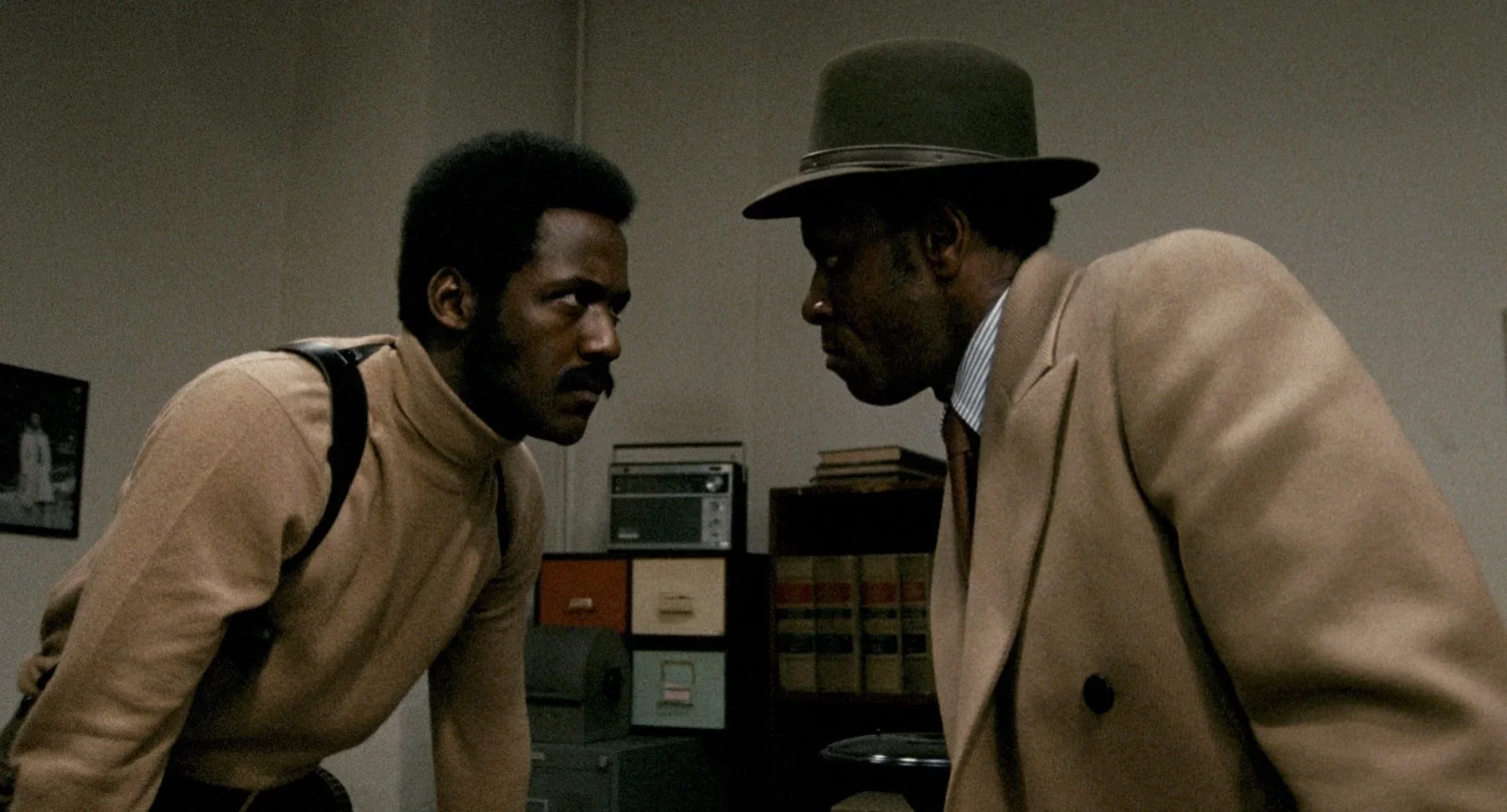
Richard Roundtree in Shaft, (1971)
The camera allows him seriousness without explanation. He occupies cinematic space with authority at a time when Black characters were still frequently denied complexity within mainstream American cinema. Parks shoots him the same way he photographed ordinary Black Americans: composed, observant, intelligent, fully human. The style works because the humanity underneath it is real. That is what separates Parks. That for me is the genius part.
A great deal of modern visual culture borrows the aesthetics of Black cool without carrying forward the humanity attached to it. Image overtakes substance. Representation becomes branding. Visibility replaces observation. Parks and Burke understand that an image could be political without losing tenderness. Perhaps that is why their work feels strangely spiritual now. Not in a religious sense necessarily, but in the way both photographers approached people as if their lives possessed inherent worth before the cameras ever arrived.
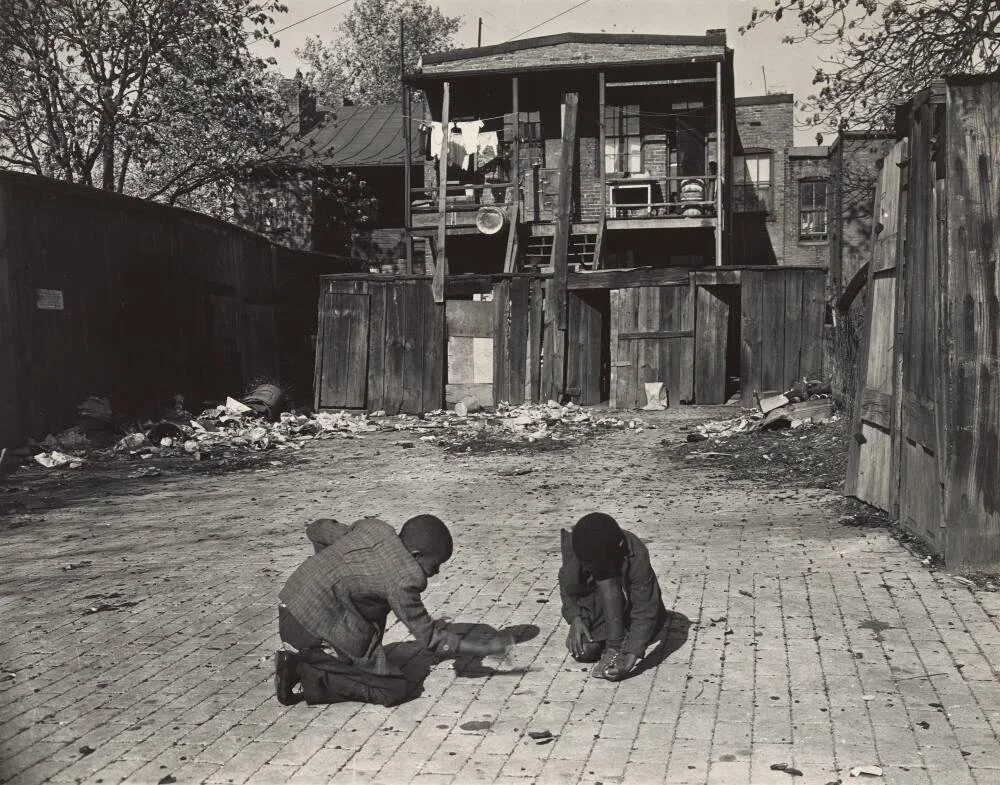
Gordon Parks, Two Negro boys shooting marbles in front of their home, Washington, D.C., November 1942
Today there is extraordinary work emerging globally, from Lagos to Johannesburg to London to New York. Younger Black photographers are continuing important conversations around migration, memory, family, fashion and post-colonial identity. Much of it is visually astonishing.
That being said, I occasionally leave exhibitions wondering whether contemporary image culture sometimes mistakes aesthetic sophistication for emotional depth. Some photographs impress me immediately but disappear from memory just as quickly. The work of Parks and Burke lingers differently. Perhaps because their images feel less concerned with themselves, they are not shouting. They are observing.
And observation, real observation, requires patience. Compassion. Humility. The willingness to look at another human being without immediately attempting to convert them into narrative, branding or ideology. That feels increasingly rare now, not only in photography but in culture generally. We are encouraged to constantly project ourselves. To optimise ourselves. To transform every aspect of identity into visible performance. Even grief now arrives curated. Vulnerability mediated through aesthetics.
When I look at Gordon Parks’ photographs or Vanley Burke’s archive of Black Britain, I see something older and quieter. Children staring curiously at the lens. Couples dancing together. Men leaning against cars outside barber shops. Families gathered around dinner tables. Factory workers. Churchgoers. Teenagers laughing in the street. Ordinary moments treated as worthy of permanence.
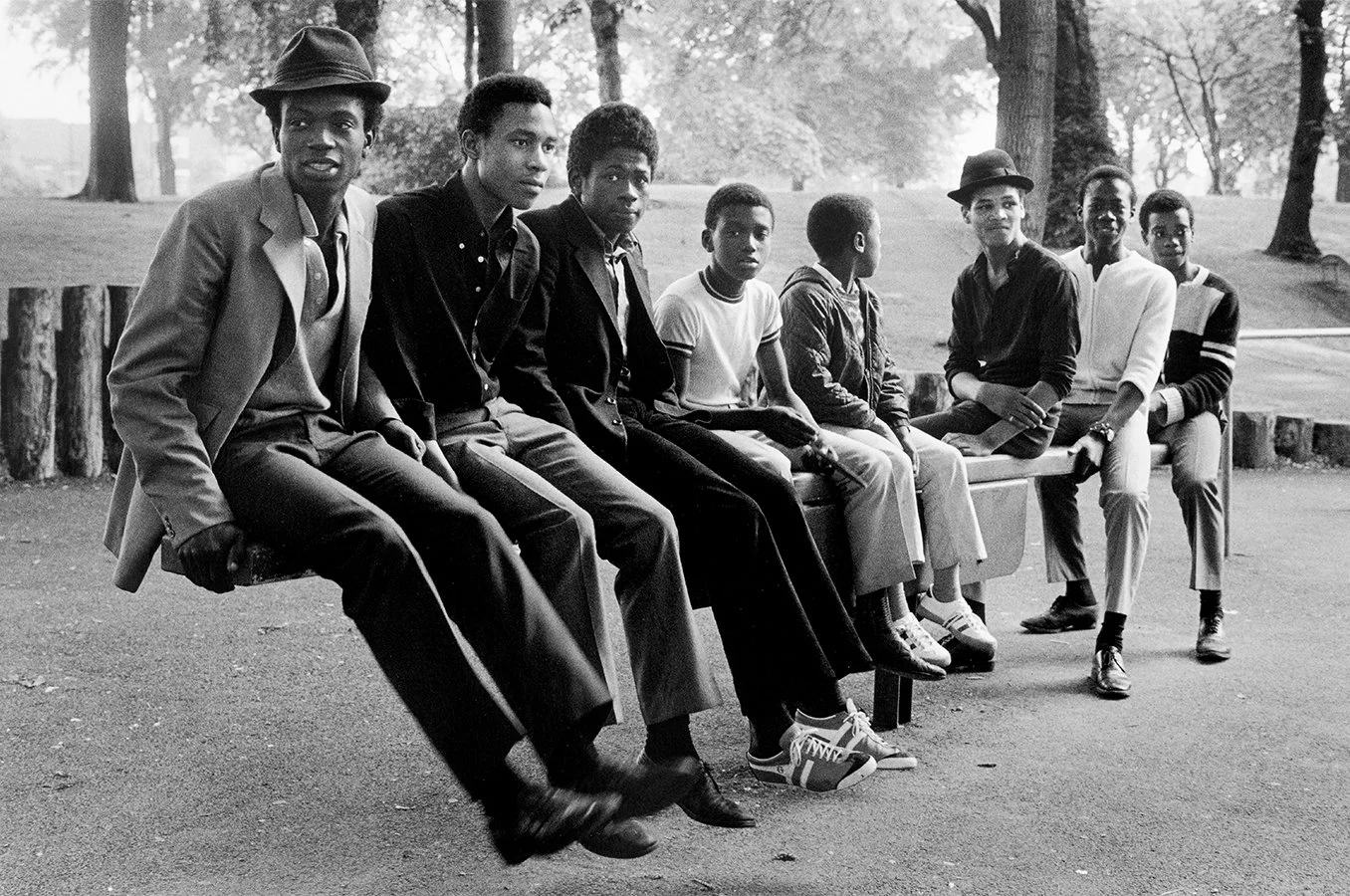
Vanley Burke, “Young men on a seesaw in Handsworth Park”, Birmingham, 1984
There is something profoundly moving about that. Especially now. The older I get, the more I suspect that dignity may be one of the most important things art can preserve. Not perfection. Not spectacle. Dignity.
The quiet dignity of being seen honestly before time erases the moment forever.