The Quiet Violence of Beauty: Cinema Without Noise
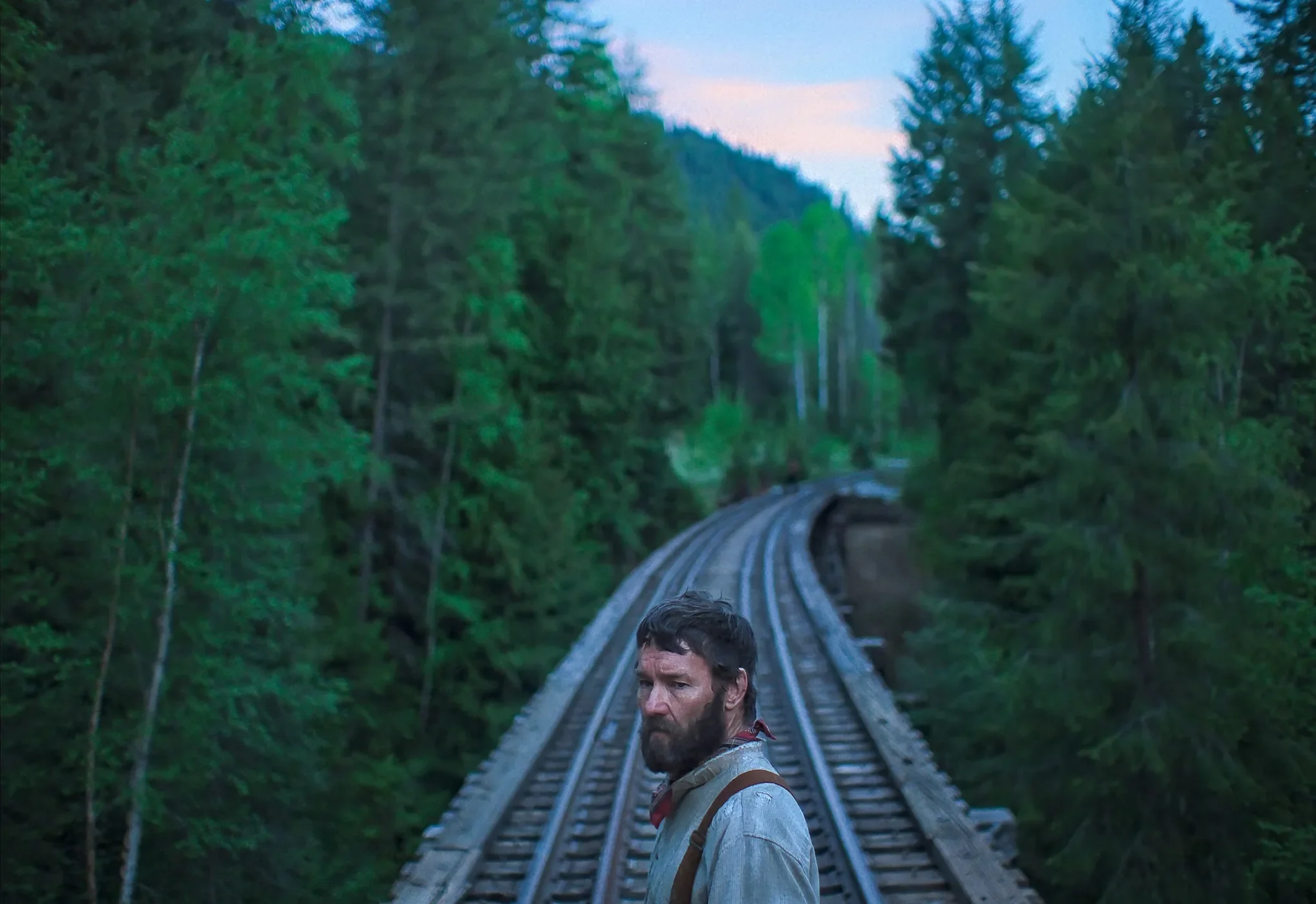
Joel Edgerton in Train Dreams (2025)
There are films you admire.
Then there are films that seem to slip past admiration entirely and settle somewhere deeper, somewhere difficult to articulate without sounding faintly religious. Train Dreams is one of those films for me. I finished it in complete silence. Not out of reverence exactly, but because speaking quickly afterwards felt off somehow, like discussing logistics after a funeral or checking your phone in the middle of prayer.
The plot on paper feels modest. A logger. A railroad worker. A man drifting through the changing American frontier in the early twentieth century. Lives are built quietly here. Lost quietly too. Men disappear into forests, grief, labour and time itself - that’s it really. I find myself turning forty in a few weeks and, lately, I’ve found myself thinking more about time than ambition. About legacy more than arrival. About the strange, uncomfortable realisation that a life is not measured only by the things you achieve, but by the things you fail to notice while achieving them. Train Dreams understands that feeling intimately.
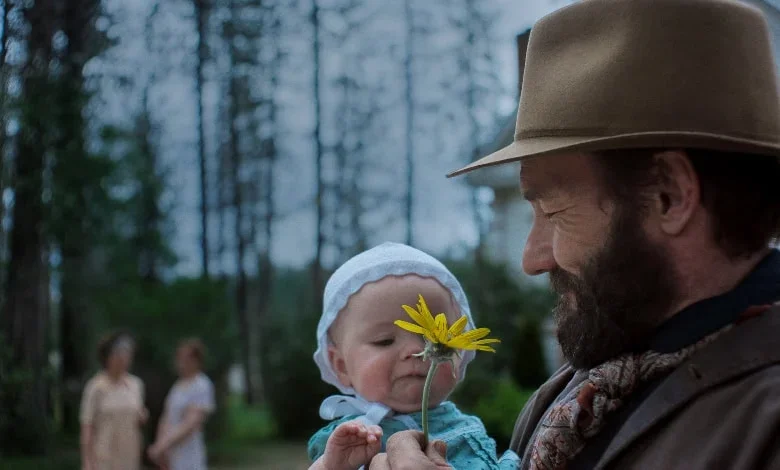
Somewhere between the smoke, the rivers and the dying light leaking through pine trees, the film achieves something astonishingly rare in modern cinema.It captures the spiritual weight of memory, not nostalgia. Memory. This distinction matters because nostalgia tends to soften the past, sanding down its harder edges until memory becomes comforting. Train Dreams does the opposite. It mourns the past honestly. Its absences. Its silences. The things time quietly takes from us.
Watching it, I found myself thinking less about cinema and more about photography. About the strange melancholy of images that feel almost accidentally immortal. The work of Barry Jenkins and James Laxton came to mind immediately, as did the photography of Gordon Parks, Dorothea Lange, Ansel Adams and Henri Cartier-Bresson. Artists concerned not with perfection, but with truth. Faces caught somewhere between thought and exhaustion. Landscapes that seem to have existed long before humanity arrived, and will remain long after it disappears. There are shades of Barry Jenkins throughout the film too, particularly in the way silence is trusted to carry emotional weight. Nobody hurries to explain themselves. Emotions are not underlined or translated for the audience. Instead, the film allows people to remain partially unknowable, which feels deeply human. Train Dreams trusts the viewer to sit inside uncertainty. To observe rather than simply consume. That patience, that restraint, feels increasingly rare in modern cinema, where so much work seems terrified of quietness, ambiguity or stillness.
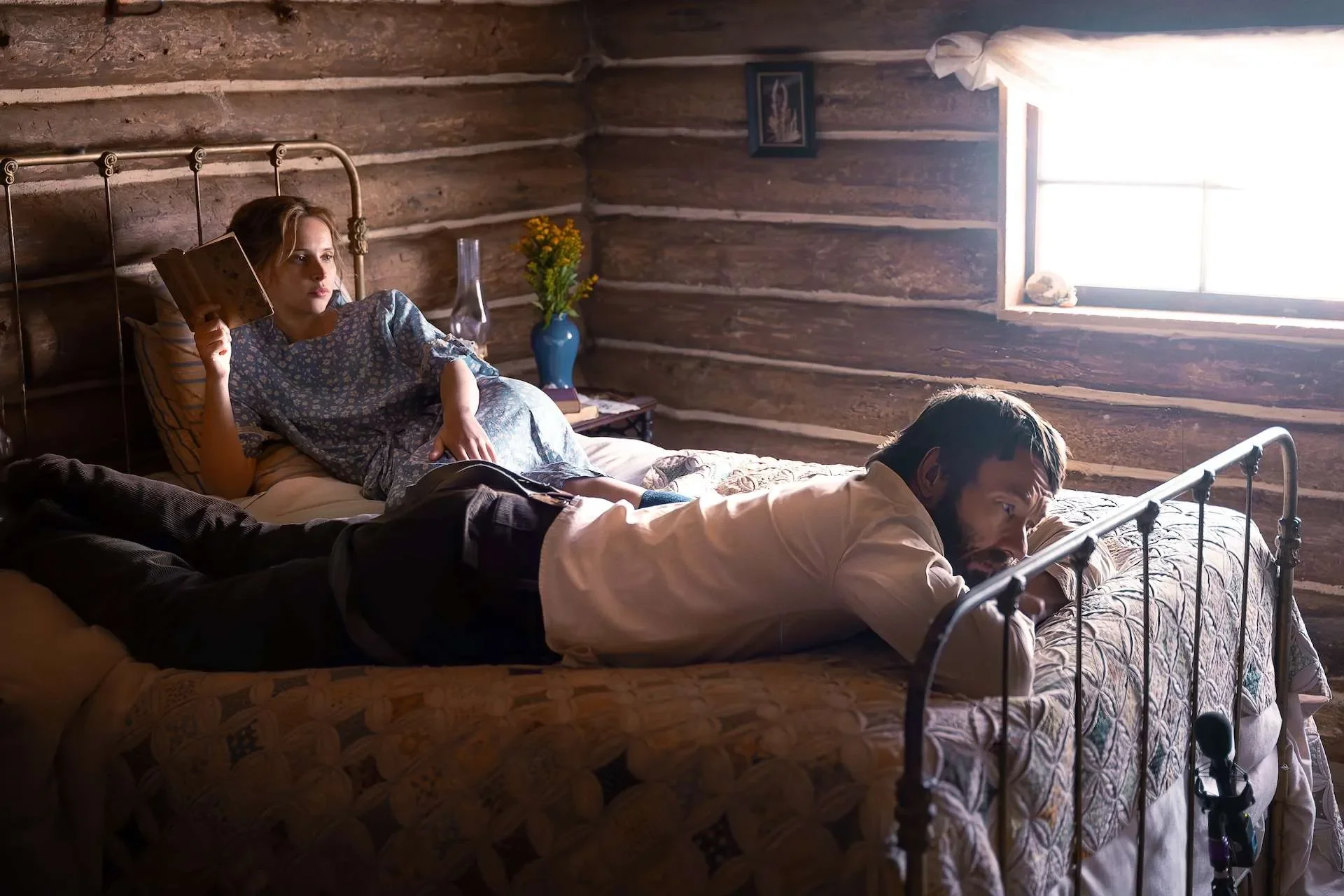
Cinematographer Adolpho Veloso photographs the Pacific Northwest with such aching intimacy that nature begins to feel less like environment and more like witness. Forests loom with ancient indifference.
Rivers move like memory. Golden hour light slides across faces softly, as though trying to preserve them before darkness arrives and swallows everything whole. Nothing in the film feels arranged for attention. That is what makes it beautiful. Modern cinema often mistakes noise for meaning, everything is underlined. Every emotion, overlit. Every frame desperate to announce itself as “Important Cinema”. Train Dreams moves in the opposite direction. It whispers, observes, waits and because of that restraint, it devastates.
As someone becoming increasingly obsessed with photography myself, I realised while watching how often I’ve pursued “good images” instead of honest ones. Images polished to death. Too aware of themselves. Too eager to impress. The images that stay with us rarely behave that way. I actually do this a lot when I watch great movies, Jaws, There Will Be Blood, 1917.
Gordon Parks understood this instinctively. His photographs feel lived in rather than composed. You sense the life continuing outside the frame. The same is true here. Train Dreams feels less photographed than discovered, as though Bentley and Veloso simply wandered into America’s collective unconscious carrying a camera. The collaboration between director Clint Bentley and Veloso is central to why the film works so profoundly. Great cinematography rarely exists in isolation. It emerges from trust and shared sensibility. Two people chasing the same emotional truth. You can feel that history here, especially knowing they had already built a visual language together on Jockey. Every frame in Train Dreams carries confidence without ego; the camera placement is patient. Human. Nothing pushes too hard.
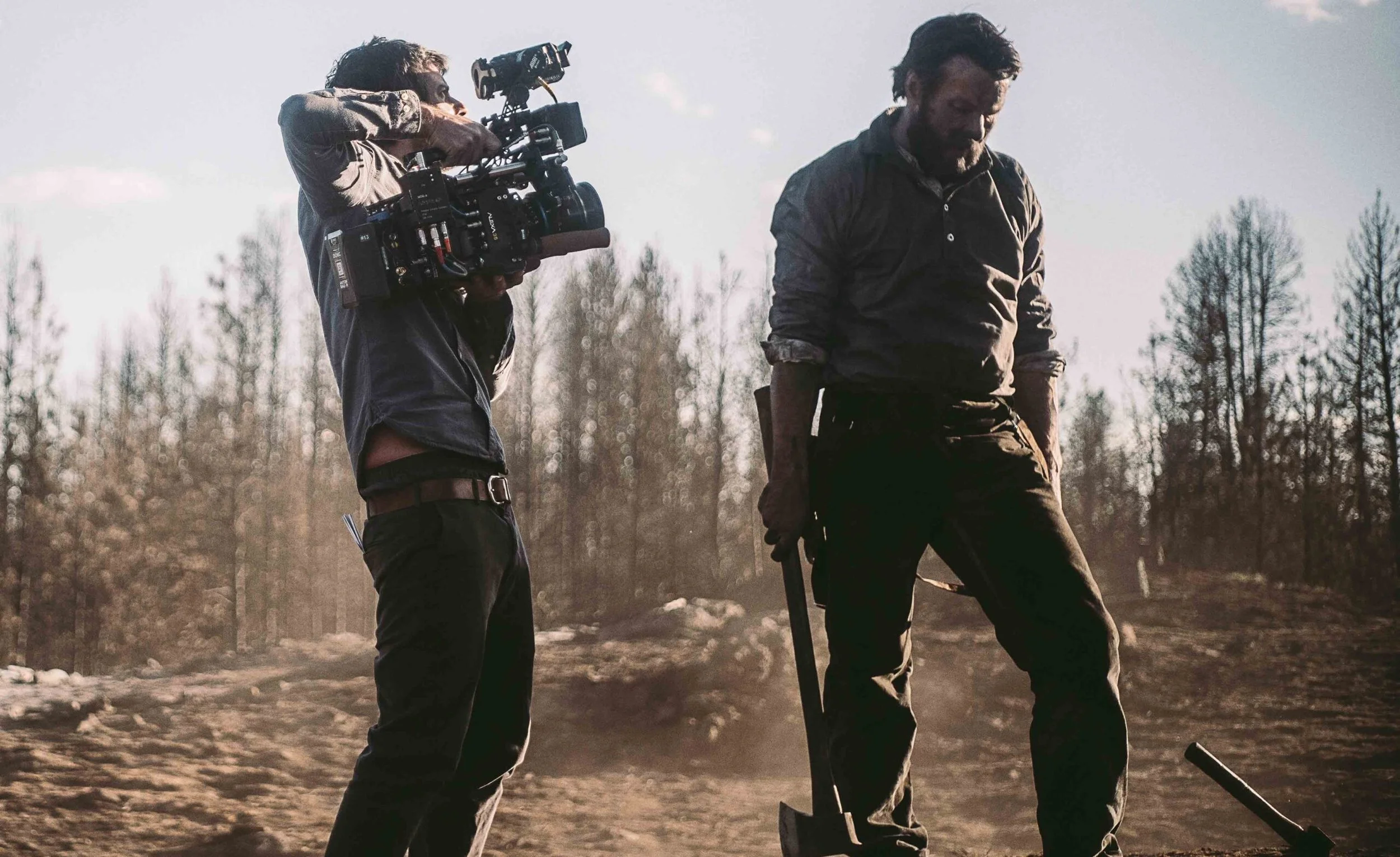
The film trusts silence and weather. Faces and most importantly, it trusts light.
Veloso explained that the film was shot on the ARRI ALEXA 35 largely because it allowed them to fully embrace the naturalistic style they were pursuing. Firelight, candlelight, natural daylight, nearly the entire film shot using natural light.
Interiors glow softly like worn oil paintings while shadows are allowed to remain shadows. Darkness exists without apologising and firelight flickers unevenly across skin. Exterior landscapes breathe with the unpredictability of actual weather rather than the sterile precision of overlit productions. The result is not realism exactly. It is honesty. The film immediately brought to mind The Assassination of Jesse James by the Coward Robert Ford, another elegy for disappearing worlds. Roger Deakins shot that film like America was haunting itself. Like expansion had left ghosts in the soil. There are traces of The Revenant too, particularly in the brutal spirituality of nature. The understanding that wilderness is not passive scenery but something alive, indifferent, sacred and violent all at once.
Oddly also another film I am reminded of was Princess Mononoke, not visually but philosophically. Like Miyazaki’s forests, the wilderness in Train Dreams feels ancient enough to resent humanity’s arrival. Civilisation enters not as progress but intrusion and the trees are not decorative objects here either. They are witnesses to history, greed, loneliness and time. Perhaps that is why the film lingers long after it ends?
It understands that progress always leaves ruins behind. A silence disappears. A way of living vanishes. A relationship between humanity and nature fractures permanently.
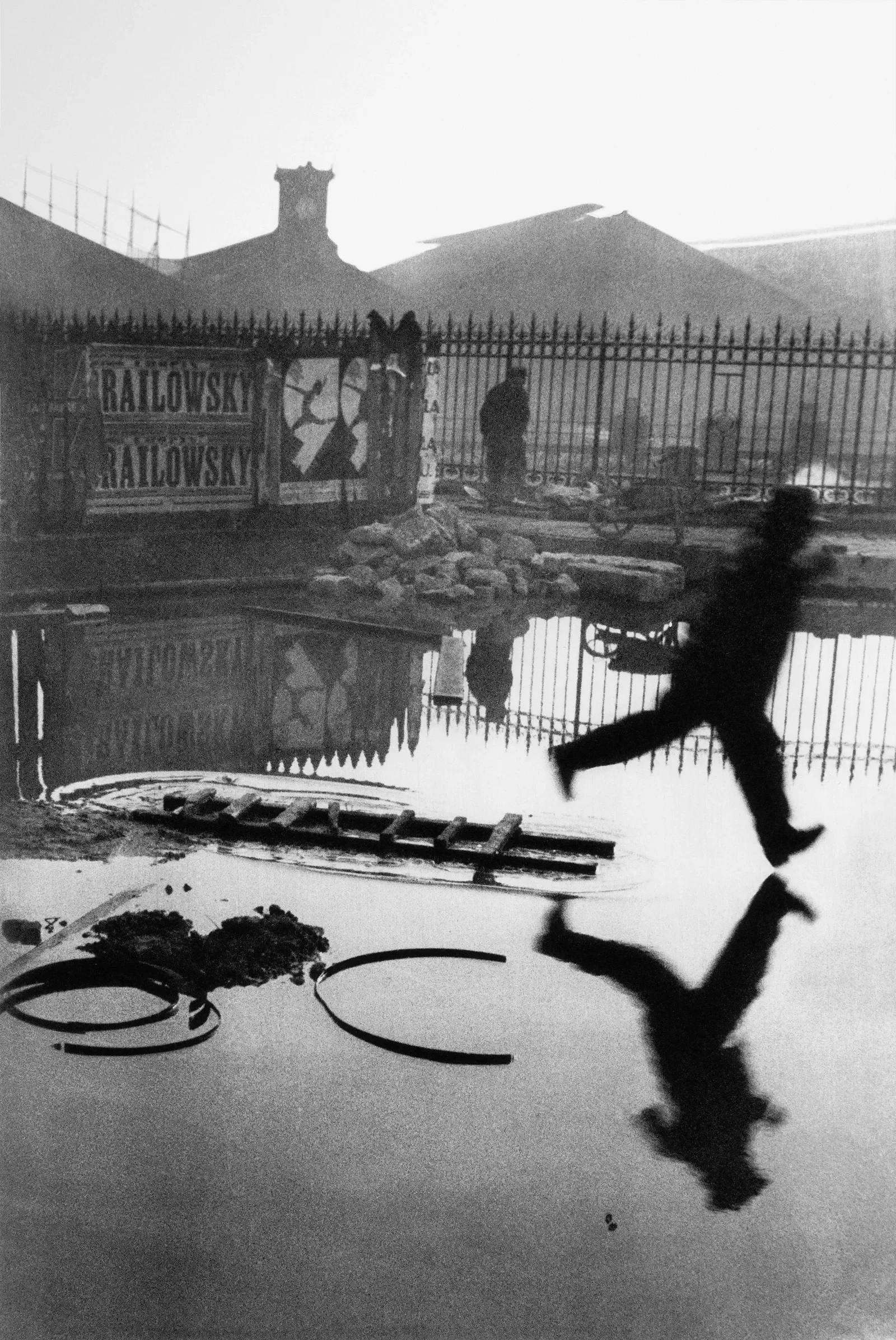
That idea sits at the centre of so much art I love. Parks documenting dignity amidst suffering. Lange preserving exhausted faces during the Depression.
Cartier-Bresson chasing fleeting moments before they vanished forever. Adams capturing landscapes with near-religious devotion. All of them understood the same essential truth: the camera is not merely there to record beauty.
These are things I want to pursue more in my own photography and filmmaking now. Less spectacle. More observations. Less perfection. More atmosphere.
Cinema without noise.